Soil and plant analytical laboratory
3.1 Why Soil and Plant Analysis?
Knowing the exact nutrient found in your farm soil and the pH is the first step of any healthy crop production program. Crops are usually grown on a very wide variety of soil types and different fertilizer requirements, depending with the soil health and condition. Application of many nutrients can result to imbalance in soil and eventually affecting the environment and contamination water, production cost and soil biological aspects.
3.2 Why do we need Soil pH at first stake?
A soil’s pH is the measure of its acidity or alkalinity based on a scale of 0 to 14. Zero represents very strong acidity, while on the other hand, fourteen is extreme alkalinity, and seven is neutral. The pH of an ideal soil in a farm should be in the range of 5.5 to 7.5. If the pH becomes a little imbalanced, it directly affects the availability of nutrients in the soil. Products with lime and travertine (which must be analytically tested before use) are applied to acidic soil, while alkaline soils require Sulphur products to be applied. Adjusting the pH of a farm’s soil may take few years but is crucial to carry out the task gradually for proper nutrient uptake and plant health.
The soil analysis results inform the real current soil situation and the recommendations which correct its condition; from any pH adjustments or fertilizer deficiencies and allowing comprehensive approaches to fertilizing in research or agriculture production.
3.3 Key Advantages of Soil analysis
3.3.1 It informs the farmer/client of the current soil health and how to improve it
Soil fertility is determined by the soil’s biological, chemical, and physical properties. Properties such as structure, soil texture, and color are visible to the eye. However, it is hard to see the chemical composition of soil. Therefore, there is need for soil diagnosis and that is why soil sampling is critical. Soil tests are used to determine the soil’s nutrient level and pH content. Armed with this information, farmers can define the quantity of fertilizer and exact type that is needed for application to improve the soil on your farm. This is essential because fertile soils are necessary to grow healthy crops.
In general, the importance of soil analysis has been in existence since the early years. Different types of soils and variation in soil properties are important factors to note in farming. Soil texture, soil moisture, and soil chemistry are determinants of what crops can be grown and how much yield the farm can produce.
- Soil testing allows for periodic monitoring of soil chemical properties in order to maintain the soil nutrient levels
- Soil testing provides essential information that may be used in developing efficient nutrient budgets for your crops
- Soil test provides current quantitative information on the nutrient content and the nutrient supplying capacity of a soil
- Soil testing also helps to identify nutrients that exist at every low (limiting nutrients) or very high (potentially toxic) levels that may result in acute plant nutrient deficiencies or toxicity.
3.3.2 Analytical laboratory income generation
All reagents, materials and equipment used in soil and plant analysis are consumable, every private client and internal research project pay for results which contribute on internal generation income
3.3.3 Delivery services
The Soil, Plant and Water Analysis Laboratory provides to RAB research community a variety of testing services. In addition to providing a valuable service to the RAB research community, the Soil, Plant and Water Analysis Lab also functions as Hub for local farmers and commercial farmer interested in optimizing their production.
The Soil, Plant and Water Analysis Lab offers the following services and tests:
- List of services and pricing
- Soil sample information sheet
- Water sample information sheet
- Forage and plant tissue information sheet
- Manure sample information sheet
Soil analysis (Bulk density, Field capacity, Permanent wilting point, Infiltration rate, Porosity, pH Water, pH KCl, EC, Soil moisture content, Total Nitrogen, Soil ammonium, Nitrate-Nitrogen, Organic Carbon, Carbonate and Bicarbonate, Available Phosphorus, Total Phosphorus, Exchangeable cations, Micro nutrients and other trace metals, Exchangeable acidity, CEC, Exchangeable cations, Particle size, Sulfur and Heavy metals)
Water analysis (pH, water mobility, EC, Sodicity, Conductivity, Turbidity, Ammonium, Ammonia, Total organic Carbon and other elements)
Forage and plant tissue analysis (Dry matter, Moisture content, Ash content, Ash alkalinity, Polyphenols, Cyanide content, Organic matter, Fat extraction, Fatty acids, Cellulose, Crude fiber, Soluble sugars, Reducing sugars, Total and Non-Reducing sugars, carbohydrate Vit A, Vit C, Starch, Amylose, Density,, Iodine value, Acid Value, Saponification value, Nitrogen degradability, Crude protein, Digestibility/Gas Production, NDF, ADF and elements)
Manure and Lime/Travertine testing (C/N Ratio, MgO, CaO, Moisture content, Fineness and other necessary parameters such as Dry weight, CCE, water extractable P, Total Carbon, pH, Ammonium, Total N, Total P, K, Ca, Mg, S, Na, Cu, Zn, Mn, Fe, Al)
Additional types of testing, such as lime quality analysis are also available through the Soil, Plant and Water Analysis Lab.


RAB Celebrates Labour Day 2026
The Rwanda Agriculture and Animal Resources Development Board (RAB) marked Labour Day 2026 with a vibrant celebration that brought together staff…

RAB Launches RwanNovIA Project to Advance Dairy Innovation and Veterinary Services in Rwanda
The Rwanda Agriculture and Animal Resources Development Board (RAB) took a significant step toward modernizing livestock production with the launch of…

KWIBUKA 32: RAB Commemorates Former Employees Killed in the 1994 Genocide against the Tutsi
On April 27, 2026, the Rwanda Agriculture and Animal Resources Development Board (RAB) held a commemoration event marking the 32nd anniversary of the…
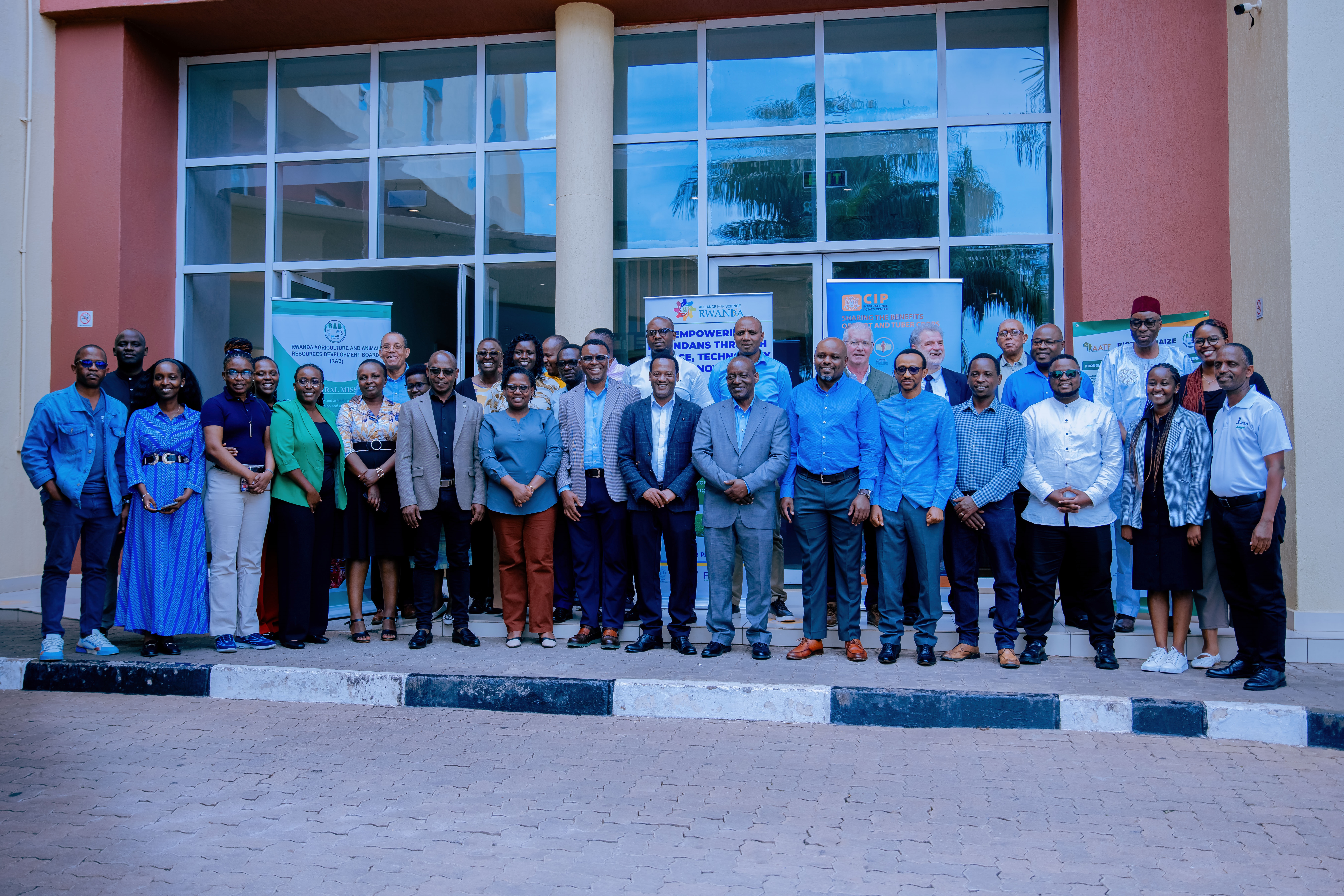
RAB and AATF Host Planning Meeting on Rwanda Agri-Biotech Program
March 12-13, 2026- The Rwanda Agriculture and Animal Resources Development Board (RAB), in collaboration with the African Agricultural Technology…

Dr. Florence Receives Brazilian Ambassador to Rwanda
March 11, 2026 — Dr. Florence Uwamahoro, Acting Director General of the Rwanda Agriculture and Animal Resources Development Board (RAB), received a…
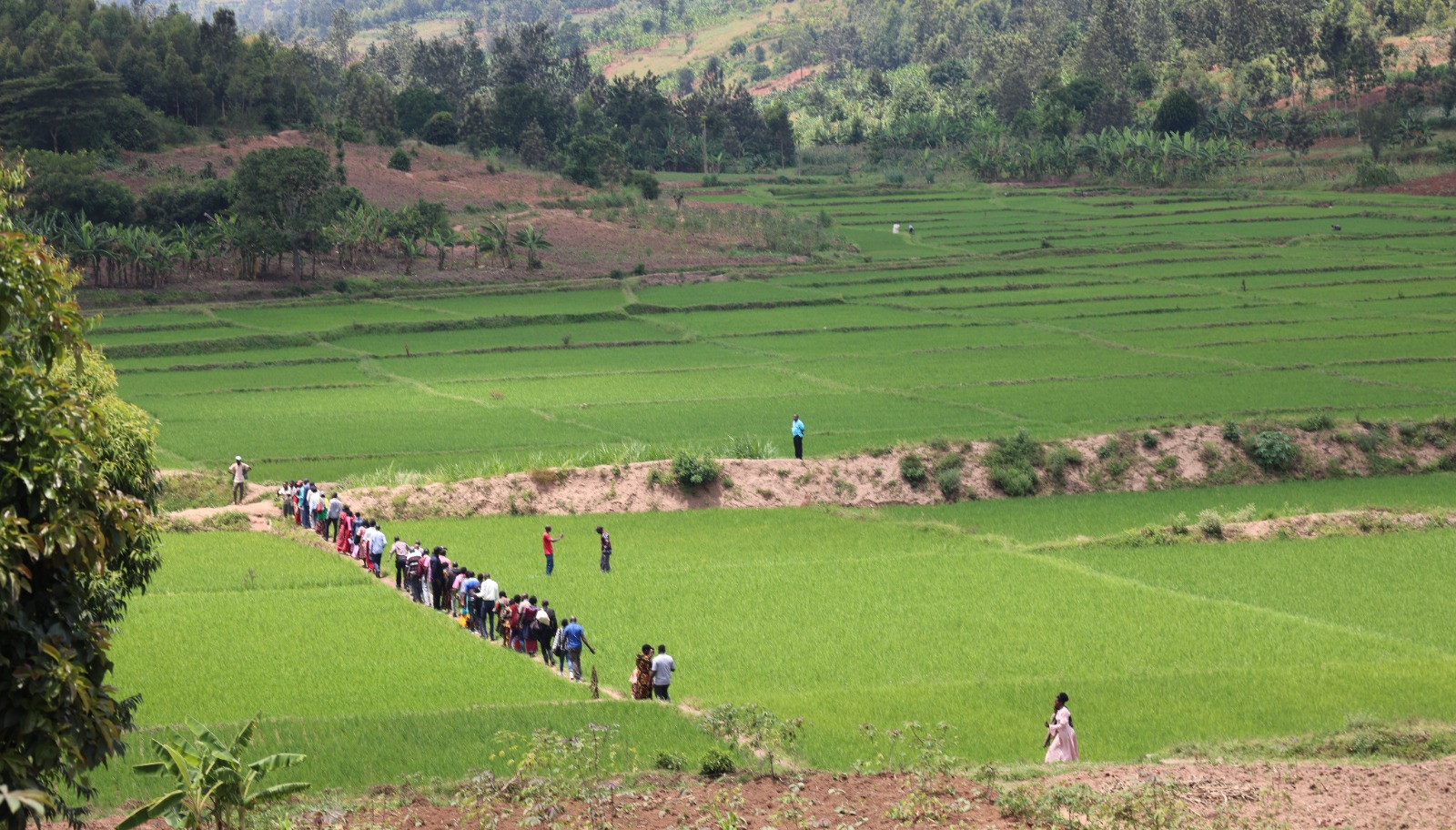
The Impact of Modern Storage and Drying Facilities in Improving Crop Quality and Market Access
Farmers’ cooperatives producing rice, beans, and maize in Rwanda’s Southern Province have long faced post-harvest challenges, particularly the lack of…

RAB, FAO and RICA Hold Mechanization Day in Kirehe District
On February 26, 2026, the Rwanda Agriculture and Animal Resources Development Board (RAB), in collaboration with FAO Rwanda and the Rwanda Institute…
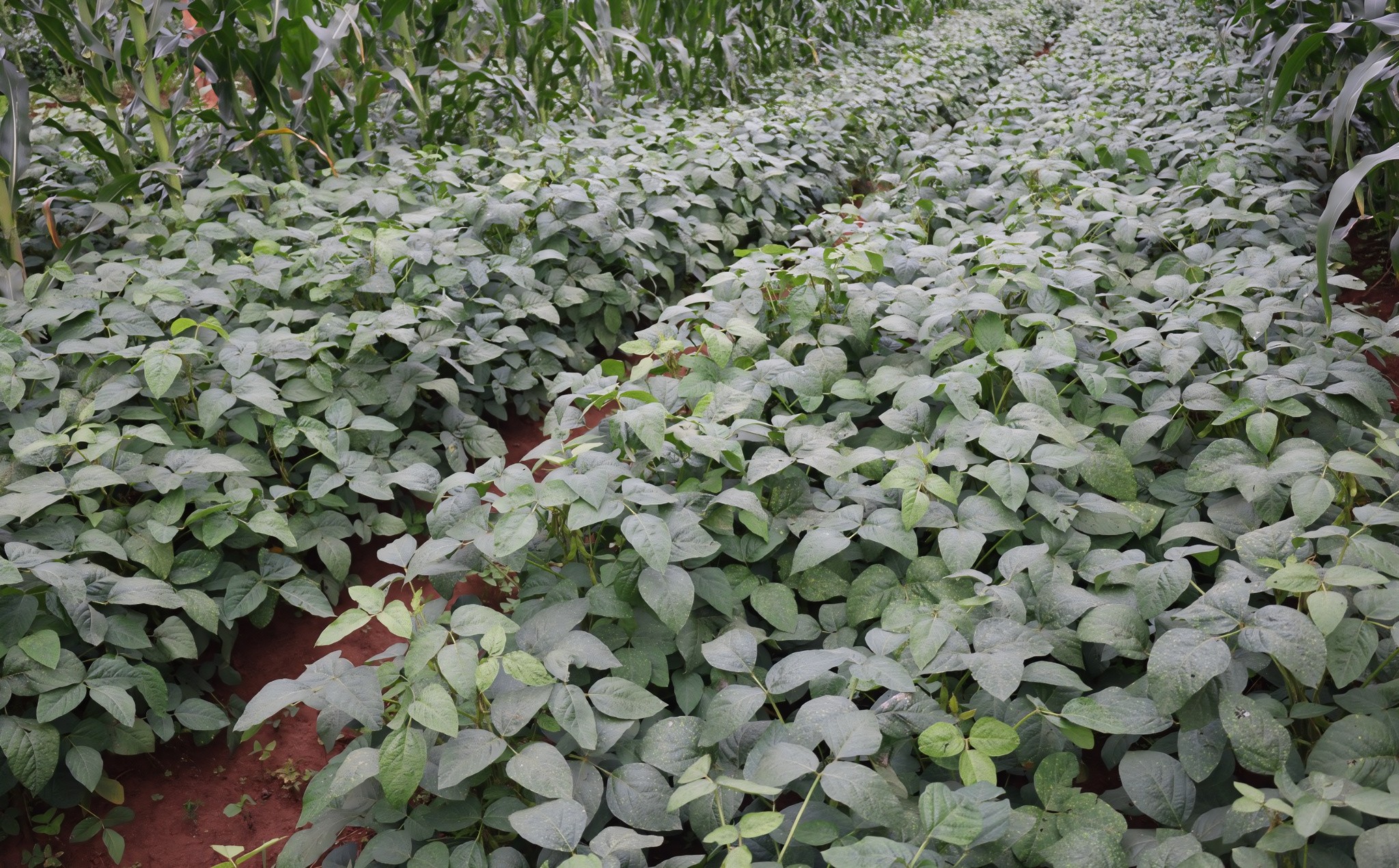
Empowering Farmers, Transforming Communities: SAPMP’s Impact in Gisagara district
The Sustainable Agricultural Productivity and Market Linkages Project (SAPMP) is creating visible and lasting impact on farming communities in…
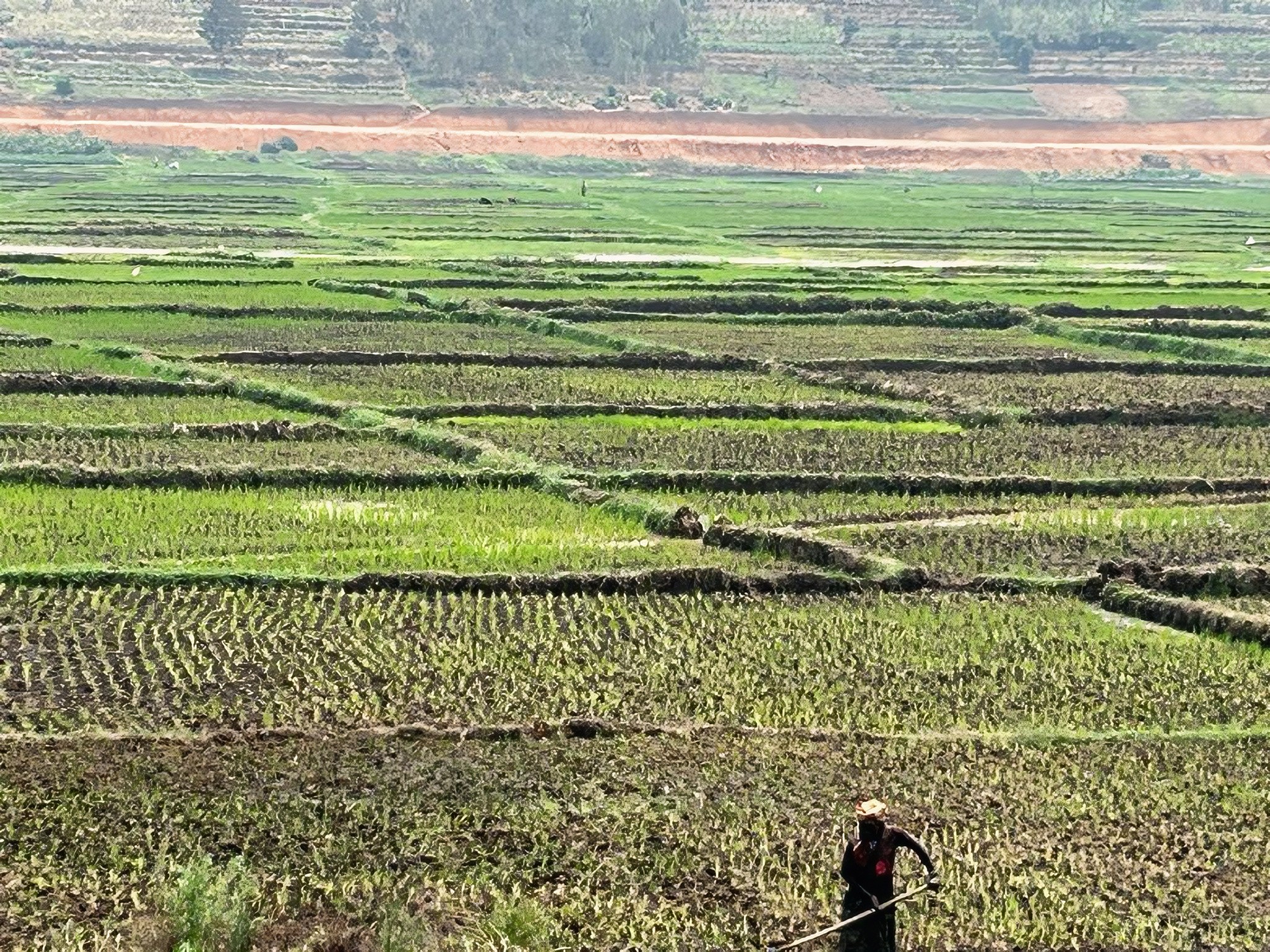
Rubuyenge–Burakari Marshland Set to Boost Rice Production in Ruhango and Nyanza
Farmers from COPRORIZ Cooperative in Rubuyenge–Burakari Marshland, located between Ruhango and Nyanza districts in Rwanda’s Southern Province, are…