Cereals Program
The advent of Crop Intensification Program (CIP) in 2007 made significant advances in cereal crop commodities production and food security. The landmark of these advances was the maize crop made a top priority due to several economic advantages over other crops. The research objectives evolved to the development of high yielding and climate resilient varieties with superior traits. The shift, for maize, from the utilization of Open Pollinated Varieties (OPVs) to hybrid varieties bred locally led the formation of emerging seed companies that are currently produce all the needed maize seeds at national. This change in maize variety initiated the development of seed sector by making it public private partnership led. The achievements so farm include the official release of 25 maize hybrid varieties including seven which are widely grow by farmers, 28 rice varieties, ten wheat five barley varieties, and ten seed producers using maize hybrid cultivars.
The current research topics include:
a) Maize
1- Development, official releasing and dissemination of high yielding maize hybrid varieties with superior traits. The targeted traits are: drought tolerance, Maize Lethal Necrosis (MLN) tolerance or resistance, fall armyworm tolerance, foliar disease resistance including Turcicum Leaf Blight (TLB) and Maize Steak Virus (MSV) diseases resistance, earliness and extra-earliness, especially for high altitudes;
2- Seed production optimization for purity and maintenance of varieties though morphological and molecular markers;
3- Breeder’ s seed production from parent inbred lines of the maize hybrid varieties widely grown by farmers;
4- Backstopping seed companies in maize hybrid seed production and marketing.
b) Rice
1- Development, official releasing and dissemination of high yielding rice varieties with superior traits. The targeted traits are: long grain; aromatic grain, cold tolerance, blast and Rice Yellow Mottle Virus diseases resistance;
2- Breeder’s seed production for the varieties widely grown by farmers
2- Backstopping the rice value chain actors for high quality rice produce.
c) Wheat and barley
1- Development, official releasing and dissemination of high yielding wheat varieties with superior traits. The targeted traits are: yellow and stem rusts, powdery mildew and blast diseases resistance, waterlogging and sprouting resistance and grain high gluten content;
2- Development and utilization of best agricultural practices including: planting depth, planting date and use of herbicides;
3- Development, official releasing and dissemination of high yielding barley varieties.
d) Sorghum
Advance sorghum lines to F2, F3, F4 and F5 generations.

IGIKORWA CYO GUFOTORA E-NDANGAMUNTU CYATANGIJWE MU KARERE KA RUSIZI

ABANTU BAFITE UBUMUGA BUTANDUKANYE KU BIPIMO NDANGAMITERERE N’ABAFITE UBURWAYI BWO MU MUTWE BEMEREWE KWIFOTOZA BAGAHABWA INDANGAMUNTU KORANABUHANGA
Indangamuntu Koranabuhanga izatanga uburyo bwizewe bwo kumenyekanisha umuntu, kurinda amakuru ye bwite, no korohereza buri wese kugera kuri serivisi…

UMWANA WESE KUVA KU MWANA UKIVUKA AFITE UBURENGANZIRA KU NDANGAMUNTU KORANABUHANGA
Igikorwa cyo kwemeza amakuru no kwifotoza ngo umuntu ahabwe Indangamuntu koranabuhanga cyaratangiye, Abafatwa amakuru bakanafotorwa ni abaturage bose…

BIMWE MUBIBAZO BYIBAZWA N’ABANYESHURI KU NDANGAMUNTU KORANABUHANGA N’IBISUBIZO
Igikorwa cyo kwifotoza ngo umuntu ahabwe Indangamuntu koranabuhanga cyaratangiye. Abafatwa amakuru bakanafotorwa ni abaturage bose guhera ku mwana…

IBISABWA MU KWEMEZA AMAKURU NO KWIFOTOZA KU NDANGAMUNTU KORANABUHANGA
Igikorwa cyo kwifotoza ngo umuntu ahabwe Indangamuntu koranabuhanga cyaratangiye, hari ubwo wakwibaza uti ese ni ba nde bagomba kwifotoza ngo bahabwe…

NIDA YATANGIJE GAHUNDA YO GUFOTORA NO KWEMEZA IMYIRONDORO IZAJYA KU NDANGAMUNTU KORANABUHANGA MU MUJYI WA KIGALI
Igikorwa cyo kwemeza imyirondoro no gufotora abazafata indangamuntu koranabuhanga cyatangijwe mu mujyi wa Kigali kuri uyu wa 7 Gashyantare 2026. Aho…
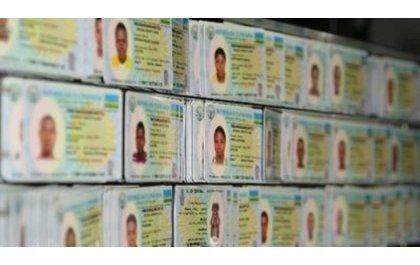
GUSABA INDANGAMUNTU ISIMBURA IYATAKAYE
Gutakaza cyangwa kwibwa indangamuntu bibangamira abantu benshi ndetse bikababuza mahirwe kuri serivise nyinshi zishingiye ku ndangamuntu. Ariko nanone…

Amahugurwa y’Abakozi b’Ibikorwa byo Kwiyandikisha
Uyu munsi, ku bufatanye n`uturere twa Nyamagabe na Karongi, habaye amahugurwa y’Abakozi bashinzwe Irangamimerere (CROs) mu bijyanye no gufotora…
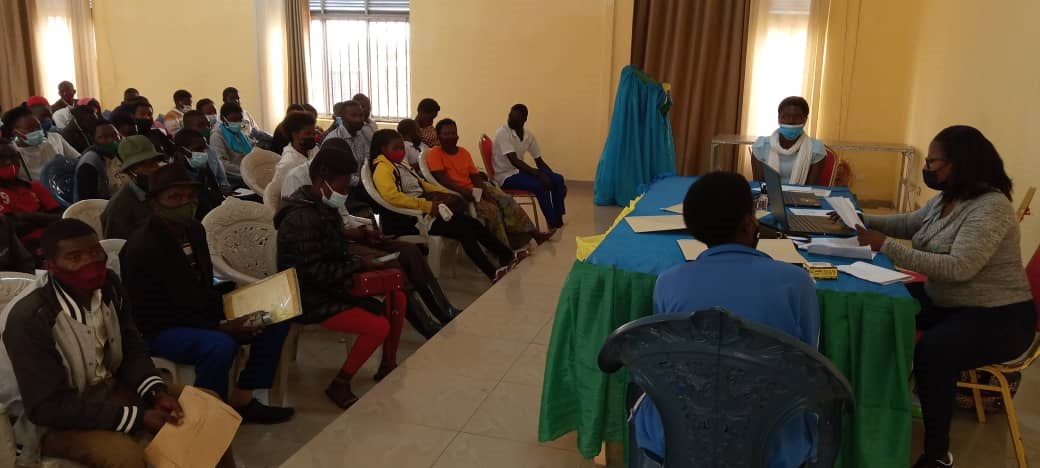
Icyumweru cyahariwe indangamuntu
Kuva tariki ya 14/02/2022 kugeza tariki ya 11/03/2022, Abakozi b`Ikigo cy`Igihugu Gishinzwe Irangamuntu (NIDA), bazaza mu Turere mu Mirenge imwe…