From Crisis to Abundance: Rwanda’s Smallholder Farmers’ Success with VIPPT
Agriculture is the backbone of Rwanda’s economy, with smallholder farmers making up over 70 per cent of the country’s agricultural workforce. However, challenges such as pest infestations, declining soil fertility, and limited access to sustainable techniques threaten food security and farmers’ livelihoods.
In the Eastern Province’s Gatsibo District, where erratic weather patterns and poor soil conditions prevail, many farmers struggle with low yields and economic instability.
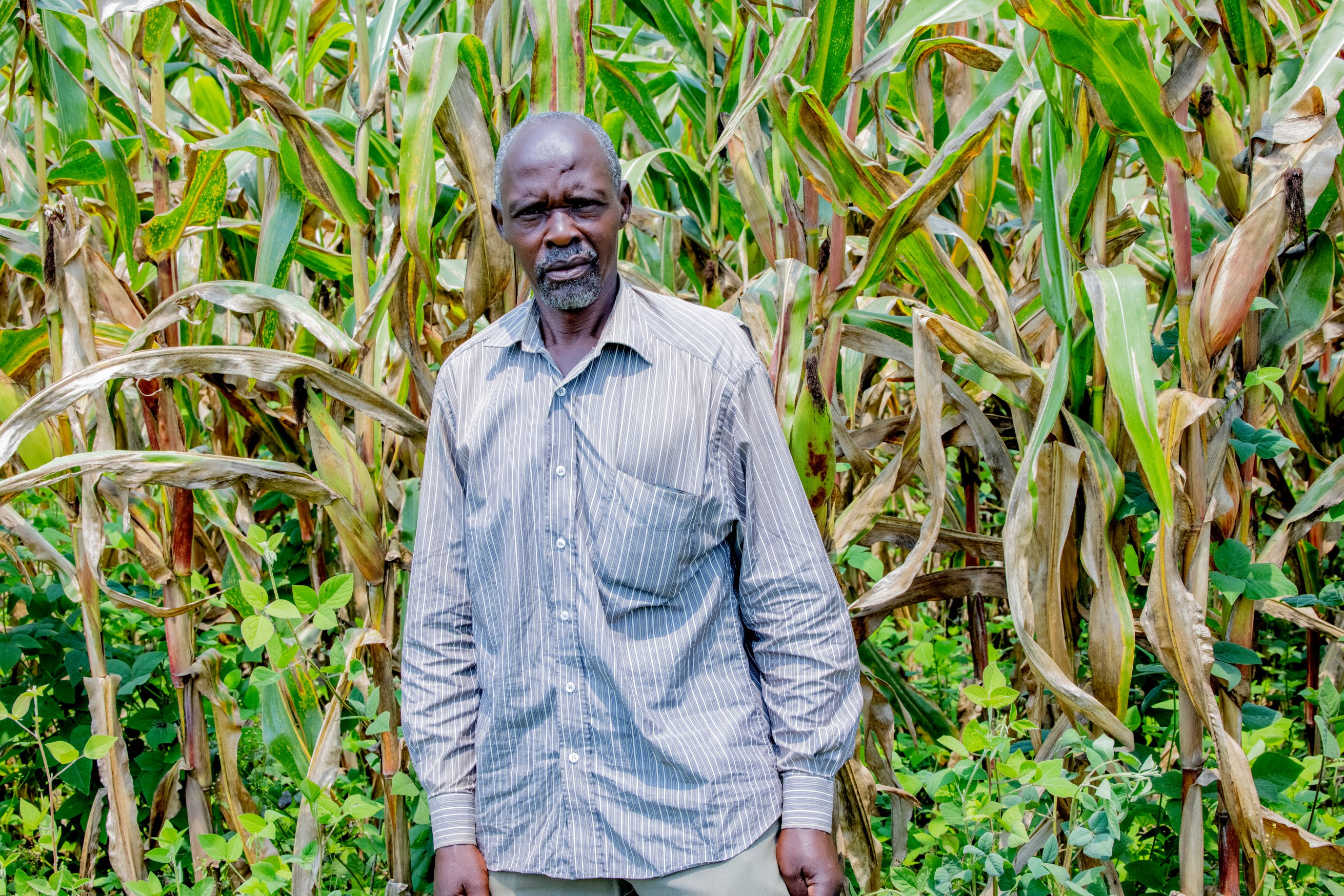
Mr Bavuriki Hassan, a dedicated smallholder farmer from Akabuga Village, has faced these challenges firsthand. For over a decade, he cultivated maize and beans on his three-acre plot, battling destructive pests and struggling with poor soil health. The high cost of chemical fertilizers and pesticides further strained his resources, making it difficult to sustain productivity. Determined to find a lasting solution, Mr Bavuriki sought alternative farming methods to secure his family’s future.
In 2020, he was introduced to the Push-Pull Technology (PPT) by the International Centre of Insect Physiology and Ecology (icipe) and the Rwanda Agriculture and Animal Resources Development Board (RAB). This method, which involved intercropping maize with desmodium to repel pests and planting Napier grass as a trap crop, significantly reduced crop losses. In 2024, he adopted an advanced version, Vegetable Integrated Push-Pull Technology (VIPPT), which incorporated common beans into the system. This innovation not only controlled pests naturally but also enriched the soil, reducing reliance on synthetic fertilizers. Guided by agricultural extension officers, Mr Bavuriki transformed his farm into a model of sustainable, climate-smart agriculture.
Since implementing VIPPT, his farm has flourished. The integration of common beans has improved household nutrition, providing essential vitamins and dietary diversity. With healthier soil, Mr Bavuriki has reduced costs on chemical inputs, allowing him to reinvest in better farming equipment. Surplus produce has generated additional income, improving his family’s standard of living. His children now enjoy more nutritious meals, and financial stability has enabled him to make household improvements. Additionally, reduced pesticide use has fostered a healthier environment with improved biodiversity.
Mr. Bavuriki’s success has inspired his community. As an advocate for VIPPT, he shares his knowledge with neighbouring farmers, encouraging them to adopt sustainable practices. Through farmer cooperatives and extension programs, he supports others in improving food security and livelihoods. Looking ahead, Mr Bavuriki dreams of expanding his farm and educating more farmers about VIPPT, believing that sustainable farming can uplift communities and contribute to Rwanda’s vision for food security and rural development.