Plant and Microbial biotechnology
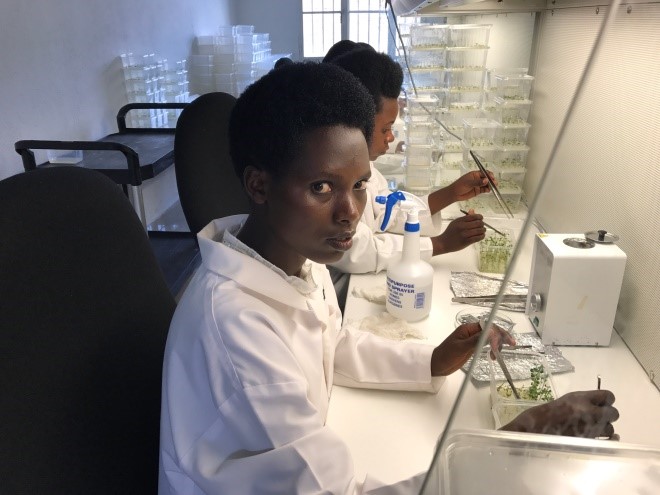
Plant and Microbial biotechnology program of RAB has a mandate of biotechnology innovations’ development to sustain the agriculture production in Rwanda. This program has four research domains, namely, (1) Plant tissue culture, (2) Mushroom, (3) Biofertilizer, (4) Plant pathology and (4) Molecular Biology. Each domain has required research facilities and technical team to carry out various activities fitting within two scopes of research including development and promotion of new innovations. Plant and Microbial biotechnology program has ten staff including the Program Coordinator, five scientists, and four technicians.
Plant tissue culture: The conventional approach of plant propagation provides low number of planting materials with a high risk to transmit pests and diseases from the mother plant. To tackle this issue, it was opted for plant tissue culture which is a technique of cultivating an explant under aseptic conditions, controlled environment, on a defined artificial medium in order to get substantial number of planting materials in a short period on small confined place. RAB has established facilities for plant tissue culture at Rubona, and Musanze RAB stations and these facilities are used to (1) develop and optimise protocols for in vitro propagation and conservation of various crops; and (2) mass in vitro production of pests and disease free planting materials of cassava, banana, sweet potato, potato and hybrid coffee.
Mushroom research and technology transfer: Main activities on mushroom consist of conducting research to develop new innovations in production and distribution of mushroom spawn and tubes, and promotion of mushroom innovations through demonstration plots and trainings. Farmers are massively growing one mushroom variety called Pleurotus ostreatus while RAB is conducting research on the performance and adaptability of four new mushroom varieties (Pleurotus Ferengi, Pleurotus auricularia, Agrocybe Cylindracea, and Ganoderma lucidium).
Biofertilizer reseach and technology transfer: RAB has a microbiology laboratory working on biofertilizers. The biofertilizers are living microorganisms including fungi and bacteria that improve soil nutrients. The research activities of this laboratory aim at development of local microbial bacteria, fungi and algae which are able to enrich the soil in nitrogen, phosphorus, organic matter to sustain the agriculture productivity. Currently, Rhizobium produced in the RAB microbiology laboratory is used in Rwanda as a biofertilizer to improve soybean and bean production. Rhizobium has the ability to absorb and convert atmospheric nitrogen to the readily available form for legumes at low price and ecofriendly to the environment. One kilogram of soybean is coated by 10 grams of rhizobium inoculant before planting.
Plant pathology and molecular biology laboratory: This laboratory conducts research on plant disease diagnosis and characterization using conventional microbiology and molecular biology approaches. In addition, it supports other crop research programs to carry out molecular research
|
| Dr. Placide Rukundo has a PhD in Plant Breeding from the African Center of Crop Improvement (ACCI) of University of KwaZulu Natal, South Africa; an MSc. in Molecular Biology, from Katholieke Universiteit Leuven (KUL), Belgium; a Post-graduate Certificate in Biosafety of Plant Biotechnology from the Institute of Plant Biotechnology for Developing Countries (IPBO), Ghent University, Belgium, and BSc. in Biotechnology from University of Rwanda, Rwanda. Dr. Placide Rukundo (PhD) is a Leader of Plant and Microbial Biotechnology Program of Rwanda Agriculture and Animal Resources Development Board (RAB) since February 2021. He has 19 years of experience as a scientist in agriculture sector and until now he has contributed in 44 scientific publications. Currently, he is carrying out research aiming at developing new potato and sweetpotato varieties using conventional and biotechnology approaches. |

Dr Placice RUKUNDO
Plant and Microbial biotechnology Program Coordinator
GUSABA INDANGAMUNTU ISIMBURA IYATAKAYE
Gutakaza cyangwa kwibwa indangamuntu bibangamira abantu benshi ndetse bikababuza mahirwe kuri serivise nyinshi zishingiye ku ndangamuntu. Ariko nanone…

Amahugurwa y’Abakozi b’Ibikorwa byo Kwiyandikisha
Uyu munsi, ku bufatanye n`uturere twa Nyamagabe na Karongi, habaye amahugurwa y’Abakozi bashinzwe Irangamimerere (CROs) mu bijyanye no gufotora…
Icyumweru cyahariwe indangamuntu
Kuva tariki ya 14/02/2022 kugeza tariki ya 11/03/2022, Abakozi b`Ikigo cy`Igihugu Gishinzwe Irangamuntu (NIDA), bazaza mu Turere mu Mirenge imwe…
Amahugurwa wa ICDL
Mu rwego rwo gukongera ubumenyi mu bijyaneye n`ikoranabuhnga, abakozi ba NIDA bashyiriweho hagunda y`amahugurwa azabafasha kunoza inshingano zabo za…
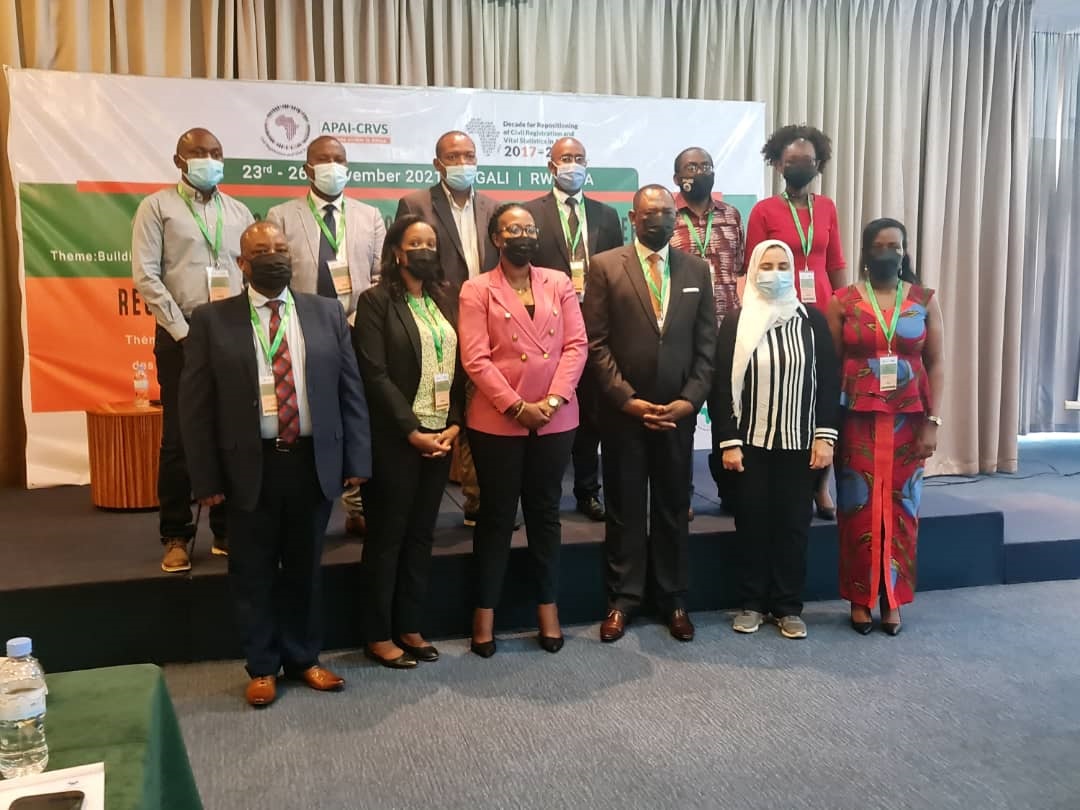
Rwanda received the expert group meeting of African Civil Registrar Generals
From 23rd to 26th November 2021, MINALOC welcomed around 40 african countries at Milles Collines. The objective of the meeting is to share CRVS…
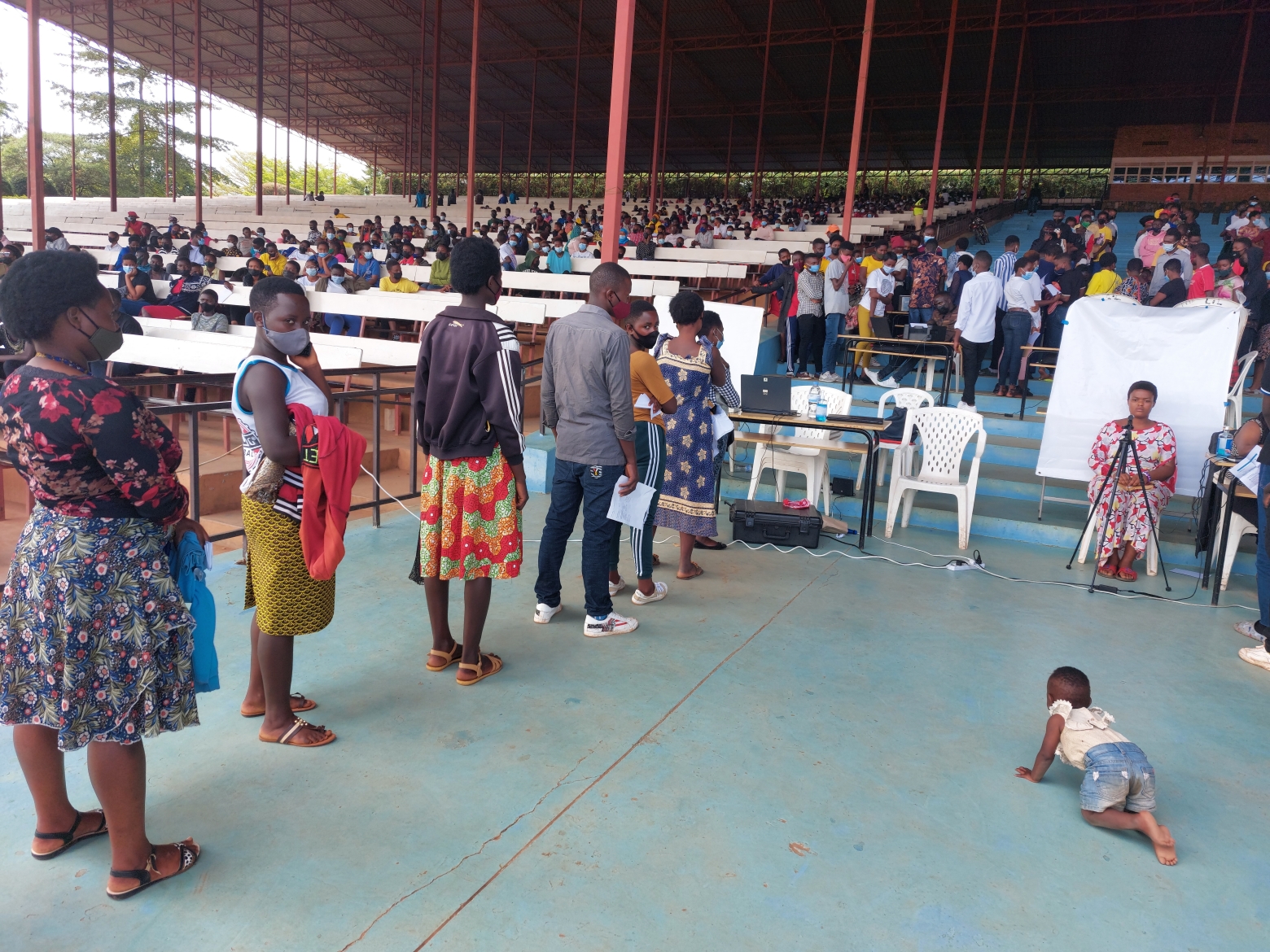
Ifotora rusange mu Mujyi wa Kigali
Hashize iminsi 3 mu Mujyi wa Kigali harimo kubera igikorwa cyo gufotora abafata indangamuntu, kugira ngo babasje kuzikorerwa. N`igikorwa cyabaye ku…
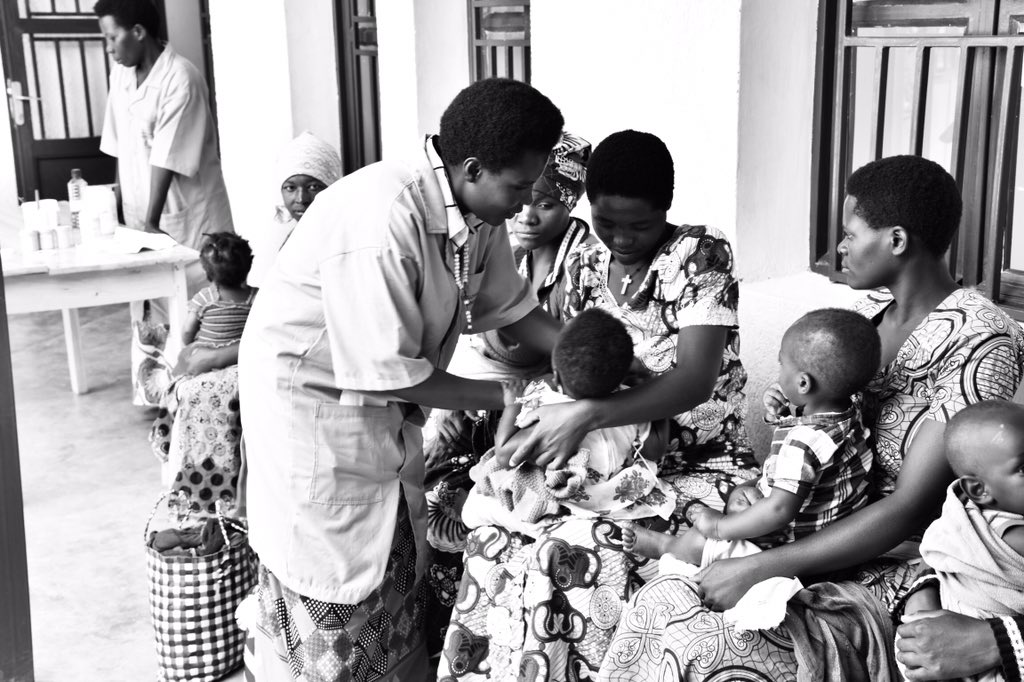
Icyumweru cyìrangamimerere kirakomeje.
Mu gihe icyumweru cy`irangamimerere gikomeje, harandikwa abana batigeze bagira amahirwe yo kwandikwa mu gitabo cy`irangamimerere, harandukurwa…

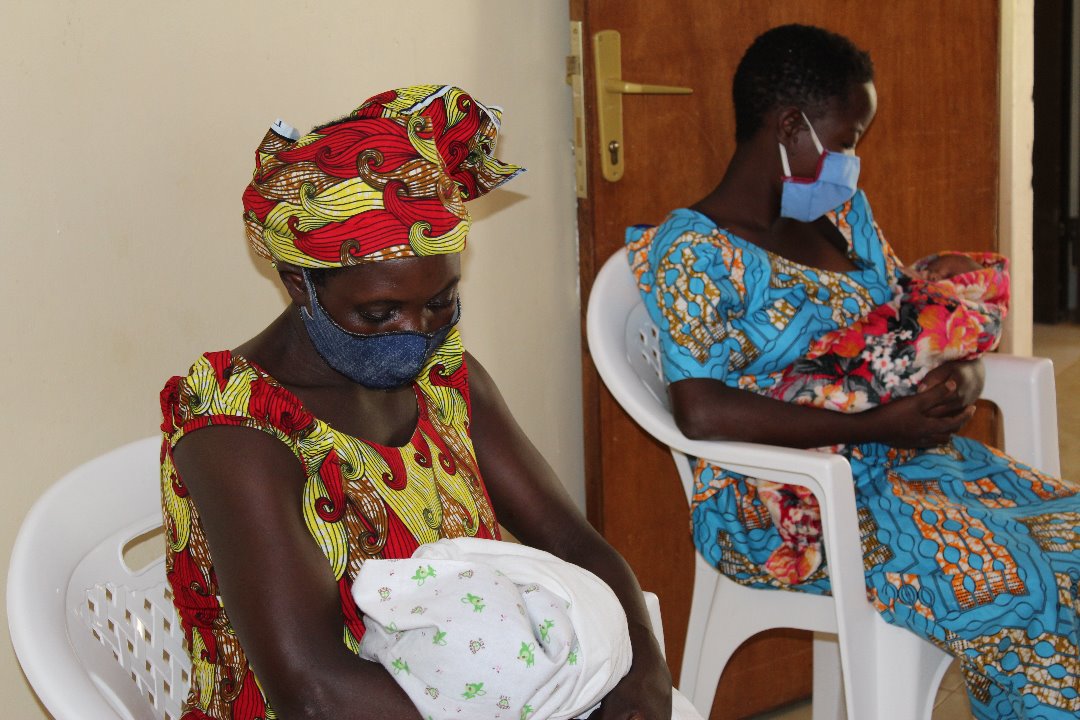
Ni ngombwa kwandikisha uwavutse no kwandukuza uwapfuye ku muturage n’igihugu.
Ubundi imimerere y’abantu yandikwa hashingiwe mu mategeko y’igihugu irimo umwana wavutse, uwagizwe umwana n’utaramubyaye, ubwishingire, ukwemera…