Monogastric program
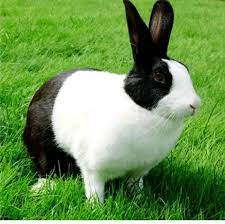
Monogastric program focus on Pigs, poultry and rabbits. The purpose of monogastric program is to contribute towards improving the efficiency/productivity of pigs, poultry and rabbits breeds in a sustainable manner, promote public health and support marketing of all breeds products in order to contribute to the national efforts in poverty reduction, improved food security and income to the satisfaction of the expectations of key and subsidiary stakeholders.
The strategic objective of monogastric is to increase the contribution of pigs, rabbits and poultry value chain to national food for nutrition security and transformative growth of the economy by enhancing income generation of farmers in particular and all Rwanda in general through the transfer of knowledge and technologies.
Specific objectives are:
- To increase pigs, poultry and rabbits’ productivity and farmers access to high yielding pigs, poultry and rabbits breeds for meat (pigs, poultry, rabbits) and eggs (poultry) through use of genetic improvement, nutrition and diseases prevention and control.
- To establish and conserve a critical mass of indigenous pigs, poultry and rabbits as reservoir for adaptive traits and emerging needs for future generations.
- To build capacity of pigs, rabbits and poultry farmers
- For sustainability of pig production, the following goals are being focused:
- Upgrade and optimize technology in pig nutrition, genetic improvement and diseases diagnostics.
- Improve the national system and other stakeholders on availing improved pig genetics to pig producers.
- Improve the breeding centres in development of an outreach program on pig keeping.
- For sustained rabbits’ production, the following strategics are being focused:
- To develop and establish lines through a selection of indigenous rabbits, taking advantage of their adaptability to local conditions.
- Establish the breeding centres for rabbits with suitable breeds for improvements (introduction for exotic rabbits’ bucks and Doe).
- Organize the rabbit farmers into categories of farming (breeding, multiplication, etc.)
C. For sustained poultry production, the following strategics have to be focused:
- Improve the national poultry production system and support other stakeholders’ initiatives on availing improved chicken genetics to poultry producers.
- Support the centers of poultry breeding in the development of an outreach program on poultry husbandry and management.
- Create an enabling environment for the private sector to take a lead role in the sustainable use and conservation of poultry genetic resources.
 |  |
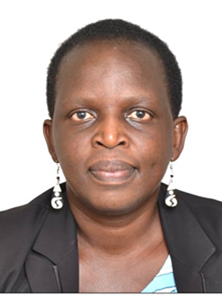 | Dr Claire d’André Hirwa is a Senior Research Fellow in animal breeding, genetics and reproduction at Rwanda Agriculture and Animal Resources Development Board (RAB). She did her postgraduate (MSc and PhD in Animal breeding, genetics and reproduction from South China Agricultural University, in China. Dr Claire d’André Hirwa is a passionate animal scientist, current a senior research fellow in monogastrics programme at Rwanda Agricultural and Animal Resources Development Board. She helps others to succeed, science mentor. Dr Claire d’André Hirwa is highly motivated and result driven, with almost 10 years in research and collaborative research engagement focused on optimizing agricultural productivity through performance improvement of animal genetics resources (cattle, pigs and chicken). She can be found in research gate scientific databases, www.researchgate.net/profile/Hirwa-Claire-Dandre. Dr Claire d’André Hirwa has been working on animal breeding, especially reproductive technologies (Multiple ovulation and embryo transfer (MOET), Artificial insemination (AI), Conservation and genetic characterization of indigenous cattle and chicken. She has experience in management of research projects. She contributed to the development of animal recording cards at RAB and the excel sheet to be used in data entry. She has published over 30 refereed journal articles; she produced more than 22 extension materials (Posters, Training materials, Curriculum, Farmer Field School (FFS) modules, guidelines). She is a member of an editorial board of international conference of applied and pure sciences (ICAPS), 2021 conf.kln.ac.lk/icaps/index.php/committees/editorial-board. Dr Claire d’André Hirwa contributed to the capacity building of PhDs, MSc and undergraduate students at University of Rwanda and regional universities (Egerton) by supervising and teaching. She participated as principal or co-principal investigator of over 6 competitive research projects funded by regional and international donors. She has also laid many development projects at RAB. She is a member of different scientific groups and she has more than 4 honors. Her current research interest is on applied research such as animal genetic characterization and genetic improvement (Chicken, pigs, cattle, rabbits). |

GUSABA INDANGAMUNTU ISIMBURA IYATAKAYE
Gutakaza cyangwa kwibwa indangamuntu bibangamira abantu benshi ndetse bikababuza mahirwe kuri serivise nyinshi zishingiye ku ndangamuntu. Ariko nanone…

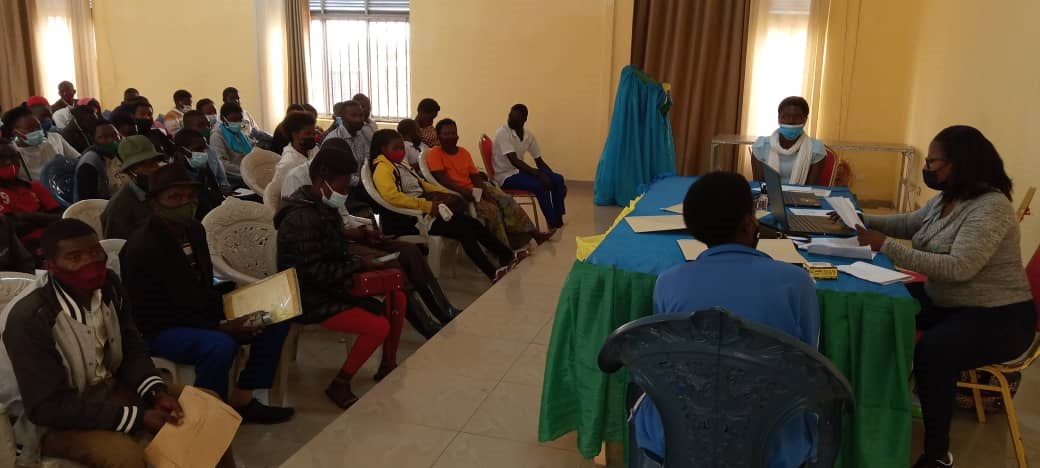
Amahugurwa y’Abakozi b’Ibikorwa byo Kwiyandikisha
Uyu munsi, ku bufatanye n`uturere twa Nyamagabe na Karongi, habaye amahugurwa y’Abakozi bashinzwe Irangamimerere (CROs) mu bijyanye no gufotora…
Icyumweru cyahariwe indangamuntu
Kuva tariki ya 14/02/2022 kugeza tariki ya 11/03/2022, Abakozi b`Ikigo cy`Igihugu Gishinzwe Irangamuntu (NIDA), bazaza mu Turere mu Mirenge imwe…
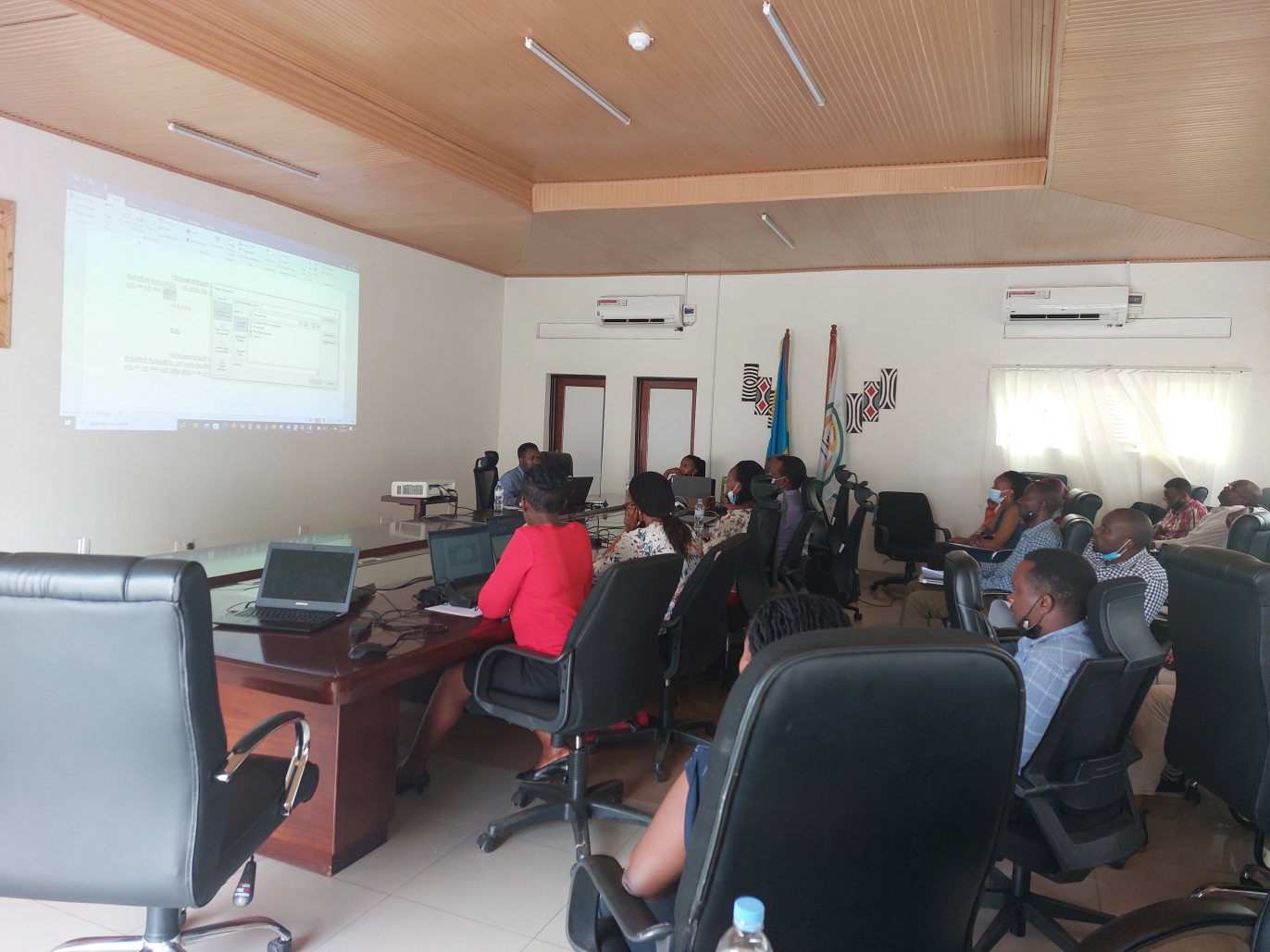
Amahugurwa wa ICDL
Mu rwego rwo gukongera ubumenyi mu bijyaneye n`ikoranabuhnga, abakozi ba NIDA bashyiriweho hagunda y`amahugurwa azabafasha kunoza inshingano zabo za…
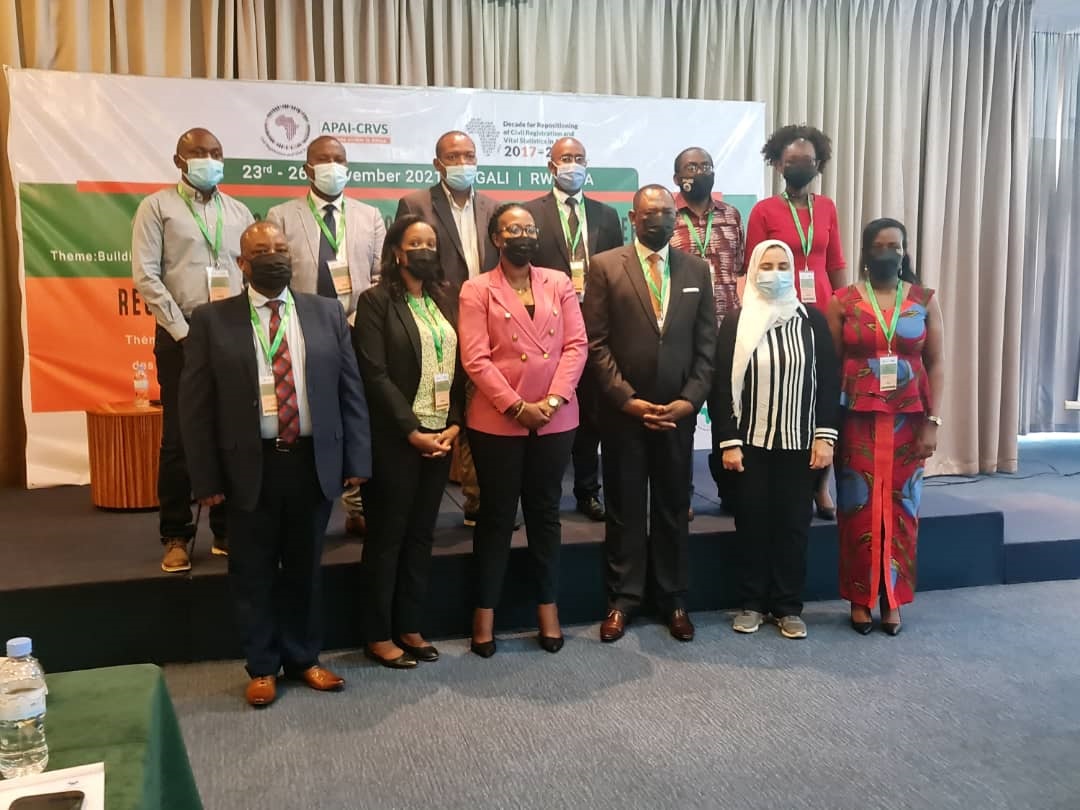
Rwanda received the expert group meeting of African Civil Registrar Generals
From 23rd to 26th November 2021, MINALOC welcomed around 40 african countries at Milles Collines. The objective of the meeting is to share CRVS…
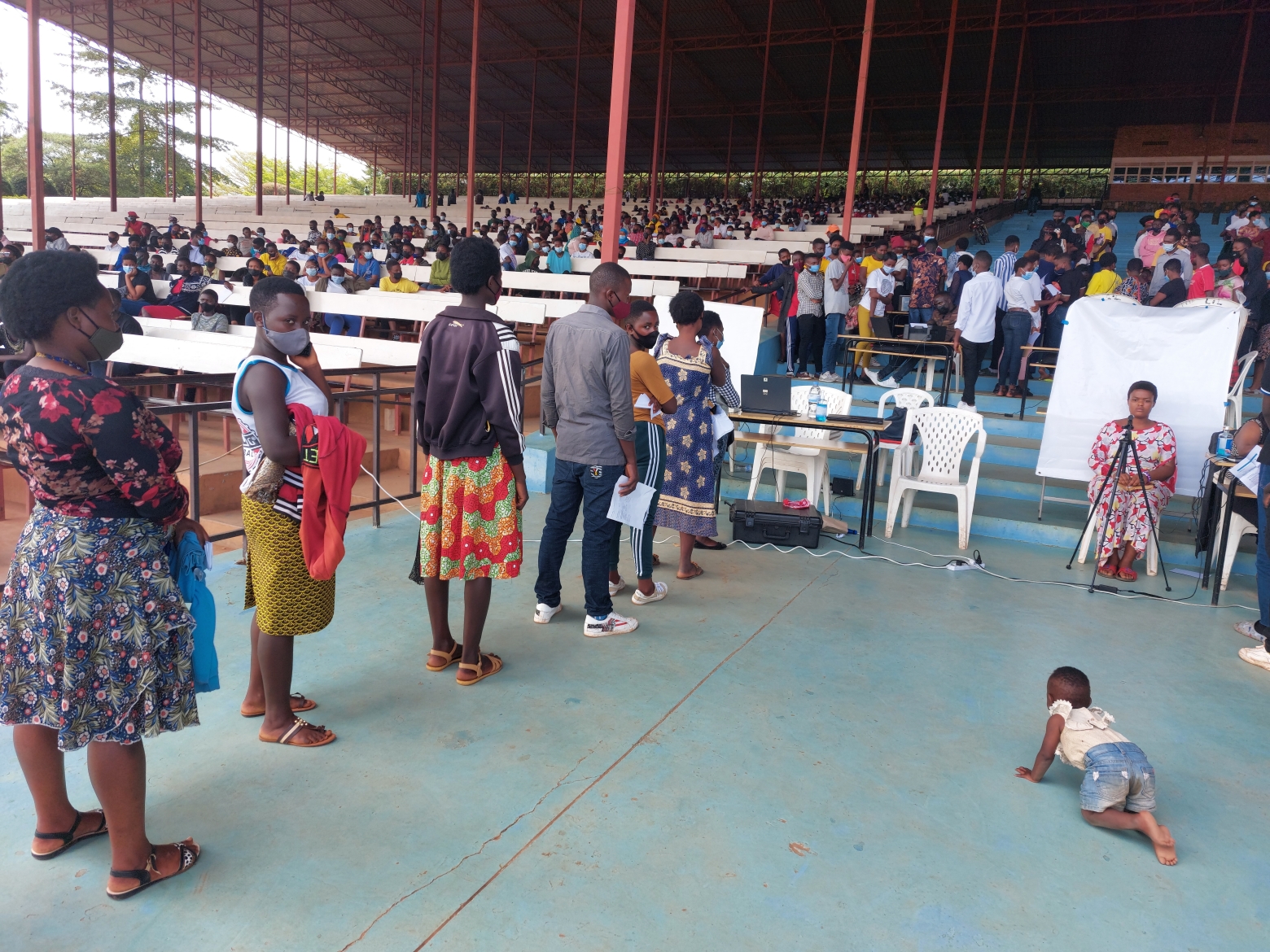
Ifotora rusange mu Mujyi wa Kigali
Hashize iminsi 3 mu Mujyi wa Kigali harimo kubera igikorwa cyo gufotora abafata indangamuntu, kugira ngo babasje kuzikorerwa. N`igikorwa cyabaye ku…
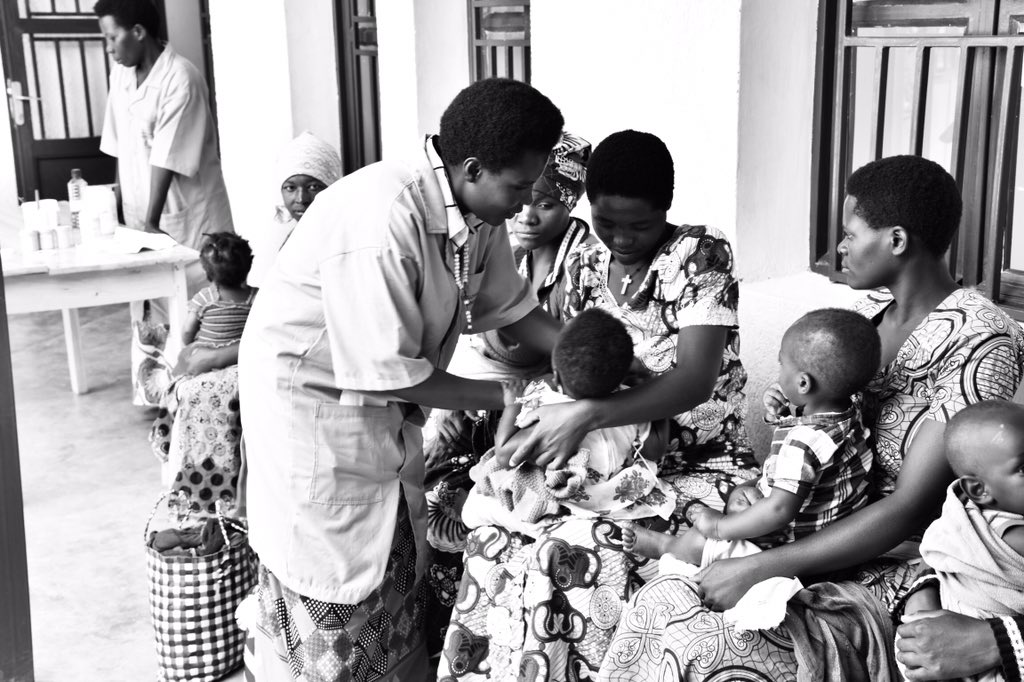
Icyumweru cyìrangamimerere kirakomeje.
Mu gihe icyumweru cy`irangamimerere gikomeje, harandikwa abana batigeze bagira amahirwe yo kwandikwa mu gitabo cy`irangamimerere, harandukurwa…

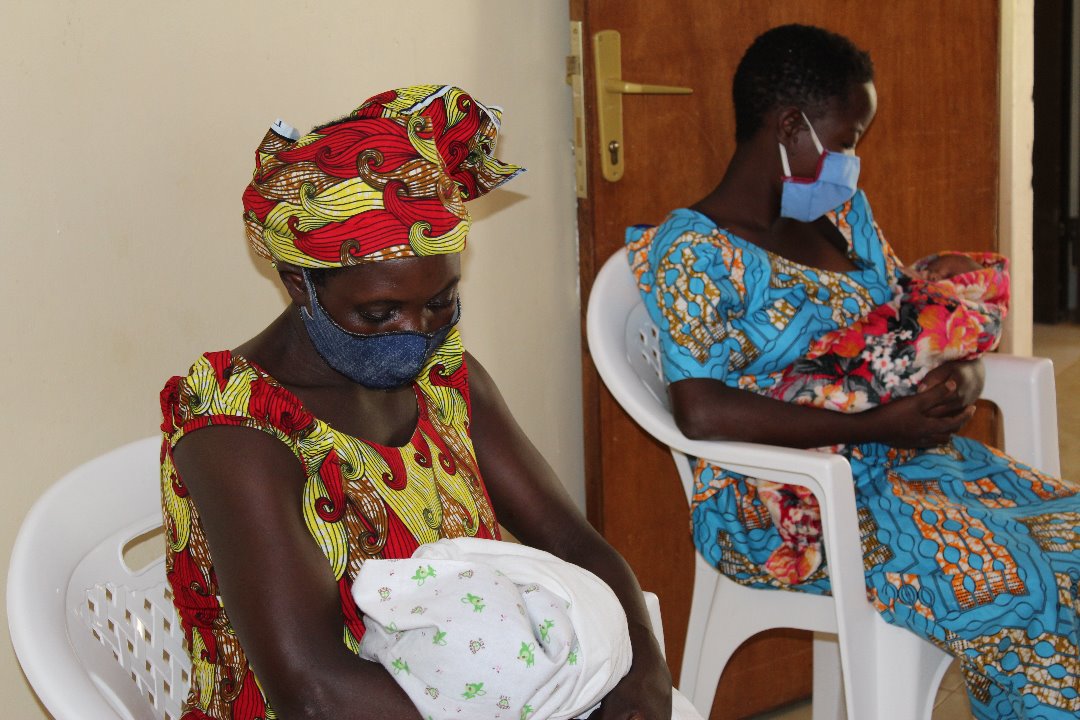
Ni ngombwa kwandikisha uwavutse no kwandukuza uwapfuye ku muturage n’igihugu.
Ubundi imimerere y’abantu yandikwa hashingiwe mu mategeko y’igihugu irimo umwana wavutse, uwagizwe umwana n’utaramubyaye, ubwishingire, ukwemera…